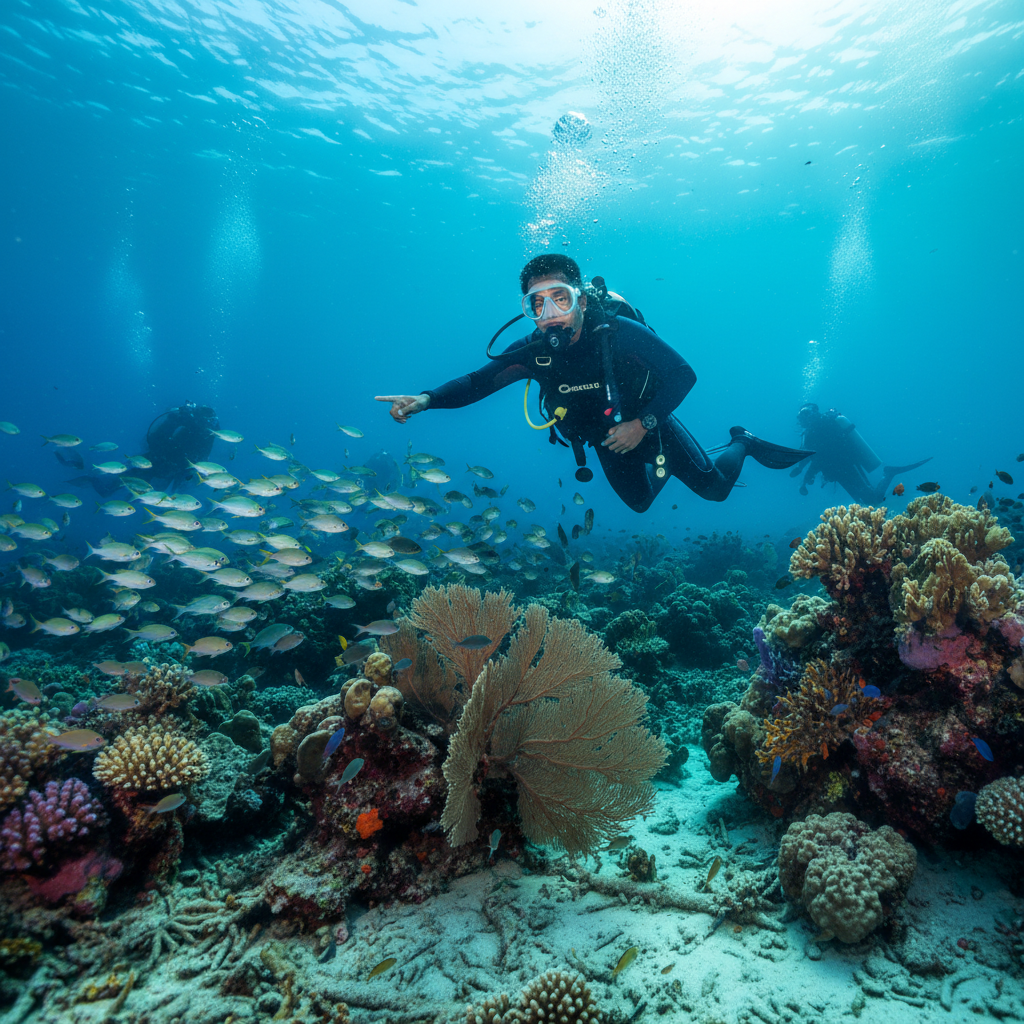
Welcome, fellow adventurers, to the crown jewel of marine biodiversity – Raja Ampat! As your trusted guides at JavaRoutes, we've witnessed countless times the awe that washes over visitors exploring this remote Indonesian archipelago. Located off the northwest tip of West Papua, Raja Ampat, meaning 'Four Kings,' is not just a destination; it's an underwater odyssey, a vibrant tapestry of life that beckons divers from across the globe.
Imagine plunging into waters so clear, you can see schools of fish shimmering like jewels, manta rays gliding gracefully overhead, and pygmy seahorses clinging to vibrant gorgonian fans. Raja Ampat boasts the highest marine biodiversity on Earth, a fact that makes every dive an unparalleled experience. Whether you're a seasoned diver or dreaming of your first liveaboard adventure, this guide will help you navigate the wonders of Raja Ampat.
When to Dive Raja Ampat: Seasons and Conditions
One of the most common questions we get at JavaRoutes is, "When is the best time to visit Raja Ampat?" While diving is generally excellent year-round, there are specific periods that offer optimal conditions and experiences.
The Peak Season (October to April): This is widely considered the best time to visit. During these months, the seas are typically calmer, visibility is at its clearest (often exceeding 30 meters!), and the weather is generally sunny with less rainfall. This period is perfect for exploring the outer reefs and more exposed dive sites. However, it's also the busiest time, so booking well in advance, especially for liveaboards, is crucial.
The Shoulder Season (May to September): Don't let the 'off-season' label deter you! While there might be a higher chance of rain and slightly choppier seas, especially in July and August, diving remains fantastic. The marine life doesn't go anywhere! In fact, some argue that the slightly cooler water temperatures during this period can lead to even more active marine life. Plus, you'll find fewer crowds and potentially better deals on accommodations and liveaboards. Visibility might be slightly reduced in some areas due to plankton blooms, but these blooms also attract larger pelagics like manta rays and whale sharks, making for exciting encounters.
Insider Tip: While the peak season offers ideal conditions, consider the shoulder season for a more intimate experience with fewer divers and potentially spectacular encounters with large pelagics drawn by plankton blooms.
Raja Ampat's Best Dive Sites: A World Beneath the Waves
With over 1,500 islands and countless dive sites, narrowing down the 'best' is a delightful challenge. Here are some of the iconic spots that consistently blow divers away:
- Cape Kri (Dampier Strait): Holding the world record for the highest number of fish species recorded on a single dive (374 species!), Cape Kri is a vibrant kaleidoscope of life. Expect strong currents, but these bring in an incredible array of schooling fish, reef sharks, barracudas, and even wobbegong sharks. It's an adrenaline-pumping drift dive you won't forget.
- Manta Ridge & Manta Sandy (Arborek Island): These sites are famous for one thing: manta rays! Manta Ridge is a cleaning station where you can observe majestic oceanic and reef mantas gracefully circling, getting cleaned by smaller fish. Manta Sandy is a feeding station, offering incredible opportunities to watch these gentle giants filter-feeding in the shallows. A truly magical experience.
- The Passage (Waigeo & Gam Islands): A unique and surreal dive, The Passage is a narrow channel resembling a river that separates Waigeo and Gam islands. The strong currents here create an incredibly diverse ecosystem, with soft corals, sponges, and mangrove roots teeming with macro life. It's like diving through an underwater jungle, often with a mix of fresh and saltwater.
- Melissa's Garden (Fam Islands): Prepare for an explosion of color! This shallow reef is a pristine hard coral garden, home to an astonishing variety of reef fish, pygmy seahorses, and vibrant nudibranchs. It's a photographer's dream and a perfect site for multiple dives.
- Blue Magic (Dampier Strait): Another high-energy site, Blue Magic is an underwater pinnacle known for its pelagic action. Expect to see reef sharks, barracudas, giant trevally, and if you're lucky, oceanic mantas. The currents can be strong, making it an advanced dive, but the rewards are immense.
What to Expect: Logistics, Liveaboards, and Local Insights
Getting There: Raja Ampat is remote, and that's part of its charm. Most international travelers fly into Jakarta (CGK) or Bali (DPS), then take a domestic flight to Sorong (SOQ) in West Papua. From Sorong, you'll typically take a ferry or a private transfer to Waisai, the capital of Raja Ampat, or directly board your liveaboard.
Accommodation: While there are some eco-resorts and homestays on islands like Kri and Gam, the most popular way to experience Raja Ampat diving is via a liveaboard. These floating hotels allow you to reach the most pristine and remote dive sites, maximizing your time underwater. JavaRoutes specializes in curating bespoke liveaboard experiences, ensuring you get to explore the best of Raja Ampat in comfort and style.
Dive Conditions: Expect warm water temperatures (27-30°C / 81-86°F), so a 3mm wetsuit or even a rash guard is often sufficient. Currents can range from mild to very strong, especially at sites like Cape Kri and Blue Magic. Your dive guide will assess conditions and choose sites accordingly. Always listen to your guide and be prepared for drift dives.
Marine Life: Beyond the iconic mantas and sharks, Raja Ampat is a macro paradise. Keep an eye out for pygmy seahorses, wobbegong sharks (often camouflaged on the seabed), walking sharks, various nudibranchs, and an incredible array of reef fish. Every dive reveals something new!
Conservation: Raja Ampat is a marine protected area, and conservation efforts are paramount. Be mindful of your buoyancy, avoid touching corals, and never leave any trash. Supporting local communities and responsible tourism operators like JavaRoutes helps preserve this incredible ecosystem for future generations.
Pro Tip: Invest in a good reef hook! While not for every dive, it's invaluable for holding your position in strong currents at cleaning stations or pelagic-rich sites, allowing you to observe marine life without expending too much energy.
Raja Ampat is more than just a diving destination; it's an immersion into a world of unparalleled natural beauty and biodiversity. The memories you create here, both above and below the surface, will last a lifetime. Are you ready to discover the magic of the Four Kings?
Let JavaRoutes be your gateway to this extraordinary adventure. We offer expertly crafted itineraries and liveaboard experiences that showcase the very best of Raja Ampat's underwater wonders. Contact us today to plan your dream diving trip to Indonesia's ultimate marine paradise!
Related Articles

Borobudur Sunrise & Ancient Java Kingdoms: Your JavaRoutes Exclusive Guide
Experience the magic of Borobudur at dawn and delve into Java's rich history with our exclusive guide. Discover ancient temples, royal legacies, and local insights for an unforgettable journey from Yogyakarta with JavaRoutes.

Java vs Bali: Choosing Your Perfect Indonesian Island Escape
Dreaming of Indonesia but torn between Java's cultural depth and Bali's vibrant beaches? This guide helps you decide which island paradise, with its unique charms and experiences, is your ideal holiday destination.

Indonesia Packing List: Your Essential Guide for Every Season
Planning an Indonesian adventure? Don't stress about packing! This comprehensive guide covers everything you need for tropical weather, cultural visits, and outdoor escapades, ensuring you're perfectly prepared for your dream trip with JavaRoutes.