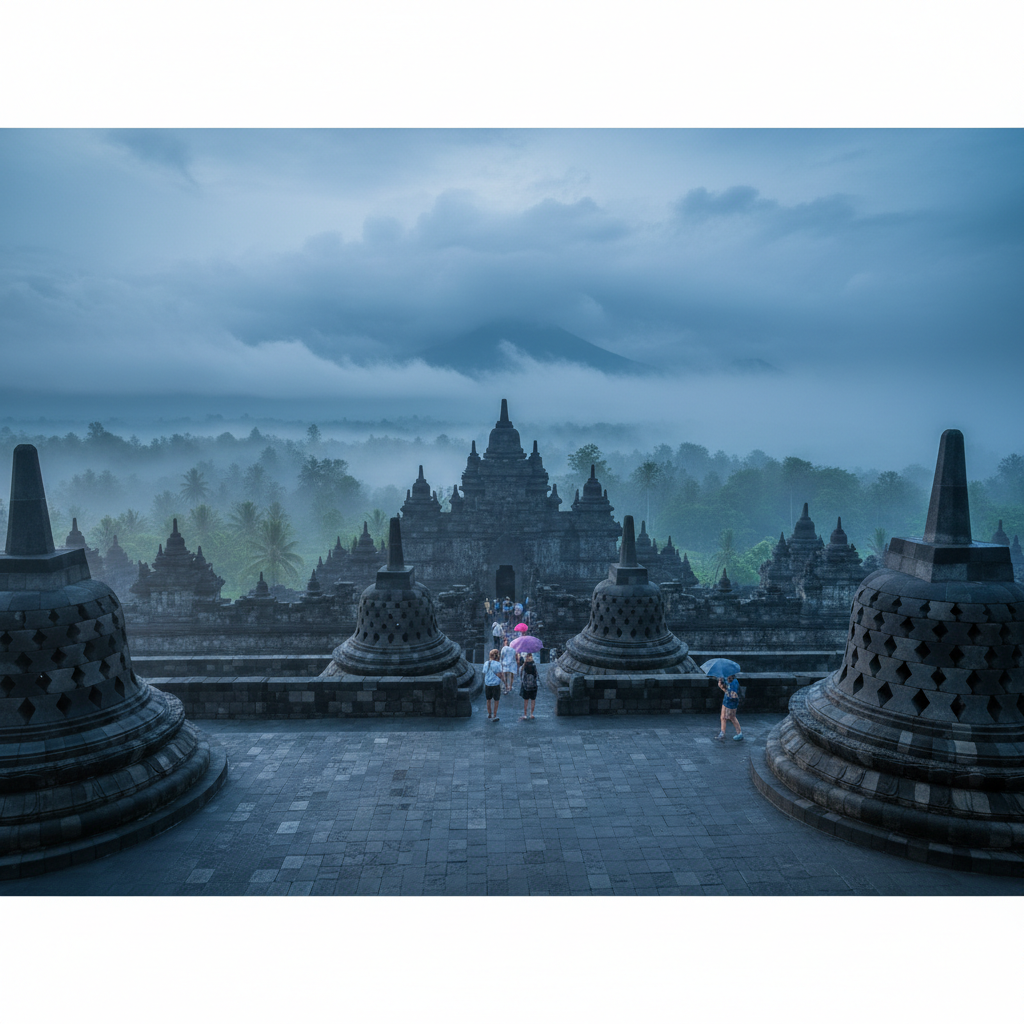
Borobudur, the world's largest Buddhist temple, is an awe-inspiring masterpiece that draws travelers from across the globe to Central Java, Indonesia. Its intricate carvings, majestic stupas, and panoramic views of lush volcanic landscapes make it a truly unforgettable destination. But when is the best time to visit this ancient wonder? As your expert Indonesia tour operator, JavaRoutes is here to guide you through the seasons, helping you plan the perfect pilgrimage.
Indonesia, being a tropical country, generally experiences two main seasons: the dry season and the wet (or rainy) season. Understanding these patterns is key to optimizing your Borobudur experience.
Dry Season: May to September – The Golden Window
Overview: The dry season is widely considered the best time to visit Borobudur. Expect clear skies, lower humidity, and comfortably warm temperatures, making it ideal for exploring the vast temple complex and enjoying those iconic sunrises.
- May: The tail end of the shoulder season, May offers pleasant weather with decreasing rainfall. Crowds are moderate, making it a great time to visit before the peak season truly kicks in. Temperatures average around 28-32°C (82-90°F).
- June - August: These are the peak months of the dry season, characterized by abundant sunshine and minimal rain. This is prime time for sunrise visits, as the chances of clear skies are highest. However, be prepared for larger crowds, especially during school holidays and around national holidays. Temperatures remain consistently warm, often reaching 30-33°C (86-91°F). Booking accommodations and tours well in advance is highly recommended during this period, especially if you're traveling with JavaRoutes for a comprehensive Central Java adventure.
- September: Similar to May, September marks the beginning of the shoulder season. The weather remains excellent, with sunny days and less humidity, but the crowds start to thin out slightly compared to the peak summer months. It's a fantastic time to visit if you prefer slightly fewer people while still enjoying optimal weather conditions.
Practical Tip: During the dry season, especially for sunrise tours, arrive as early as possible. Gates typically open around 6 AM, but if you're part of a special sunrise package (which JavaRoutes can arrange), you might enter even earlier. Bring sunscreen, a hat, and plenty of water, as the sun can be intense once it's up.
Wet Season: October to April – Lush Landscapes and Fewer Crowds
Overview: The wet season brings more frequent rainfall, higher humidity, and generally cloudier skies. While rain showers can be heavy, they often occur in the afternoon, leaving mornings relatively clear. This season transforms the surrounding landscapes into vibrant, lush green, offering a different kind of beauty.
- October - November: These months see the gradual increase of rainfall. Mornings can still be quite beautiful, but afternoon showers become more common. The humidity rises. Crowds are noticeably smaller than in the dry season, offering a more tranquil experience. Temperatures average 27-31°C (81-88°F).
- December - February: This is the heart of the wet season, with the highest rainfall. Expect daily showers, sometimes prolonged. However, don't let this deter you entirely! The rain often brings a mystical atmosphere to the temple, and the surrounding rice paddies are at their most verdant. Crowds are at their lowest, providing a more intimate visit. If you're a photographer, the soft light and dramatic clouds can be stunning. Temperatures hover around 26-30°C (79-86°F).
- March - April: As the wet season tapers off, rainfall decreases, and the weather gradually improves. April, in particular, is a good shoulder month, offering a balance of fewer crowds and improving weather before the dry season fully begins. This period often coincides with Easter holidays, so check for potential crowd increases around those dates.
Practical Tip: If visiting during the wet season, carry a lightweight rain jacket or umbrella. Wear comfortable, quick-drying footwear. Mornings are generally the best time to visit, as rain often holds off until the afternoon. The lush greenery around the temple is particularly stunning after a fresh shower.
Special Considerations: Holidays and Events
Beyond the weather, it's crucial to consider local and international holidays, as these can significantly impact crowd levels and accommodation availability.
- Waisak (Vesak) Day: This is the most significant Buddhist holiday, celebrating the birth, enlightenment, and passing of Buddha. Borobudur becomes the focal point for thousands of Buddhist pilgrims from around the world. The exact date varies each year, usually falling in May or June, coinciding with the full moon. While incredibly spiritual and moving to witness, expect massive crowds and potential restrictions on access to certain parts of the temple. JavaRoutes offers special Waisak tours for those wishing to experience this unique event.
- Eid al-Fitr (Lebaran): Marking the end of Ramadan, this major Islamic holiday sees a massive exodus of Indonesians traveling back to their hometowns. Central Java becomes very busy, with increased domestic tourism to attractions like Borobudur. If your visit coincides with Lebaran (dates vary annually), expect higher prices for flights and accommodation, and significant crowds.
- School Holidays: Indonesian school holidays (typically June/July and December) also bring an influx of domestic tourists, leading to larger crowds at popular sites.
Insider Tip
Regardless of the season, aim for a weekday visit if possible. Weekends always draw larger crowds of local tourists. For the ultimate serene experience, consider a sunrise visit (often requiring an early start around 4 AM) – the magical glow over the stupas as the mist lifts is truly unforgettable. JavaRoutes specializes in crafting these memorable sunrise experiences, ensuring comfortable transport and expert guidance.
Ultimately, the
Related Articles
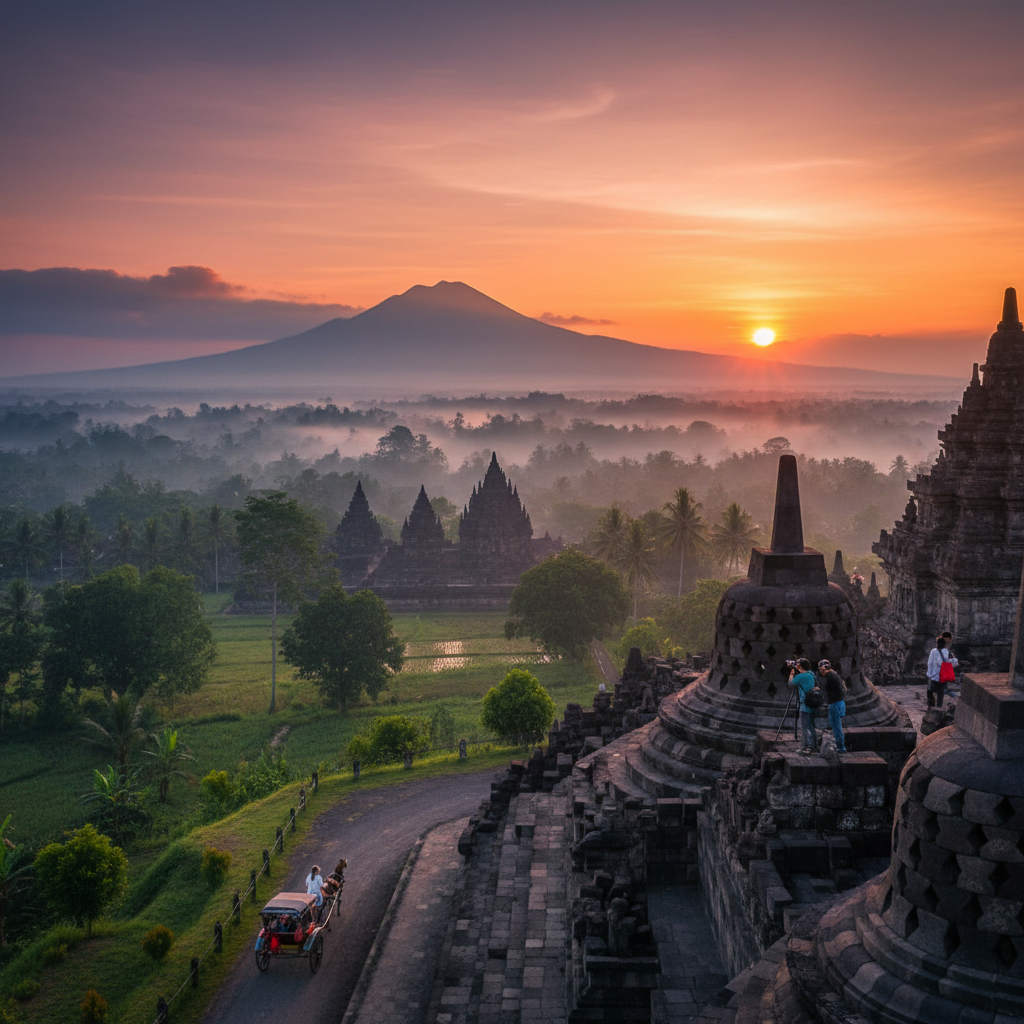
Borobudur Sunrise & Ancient Java Kingdoms: Your JavaRoutes Exclusive Guide
Experience the magic of Borobudur at dawn and delve into Java's rich history with our exclusive guide. Discover ancient temples, royal legacies, and local insights for an unforgettable journey from Yogyakarta with JavaRoutes.
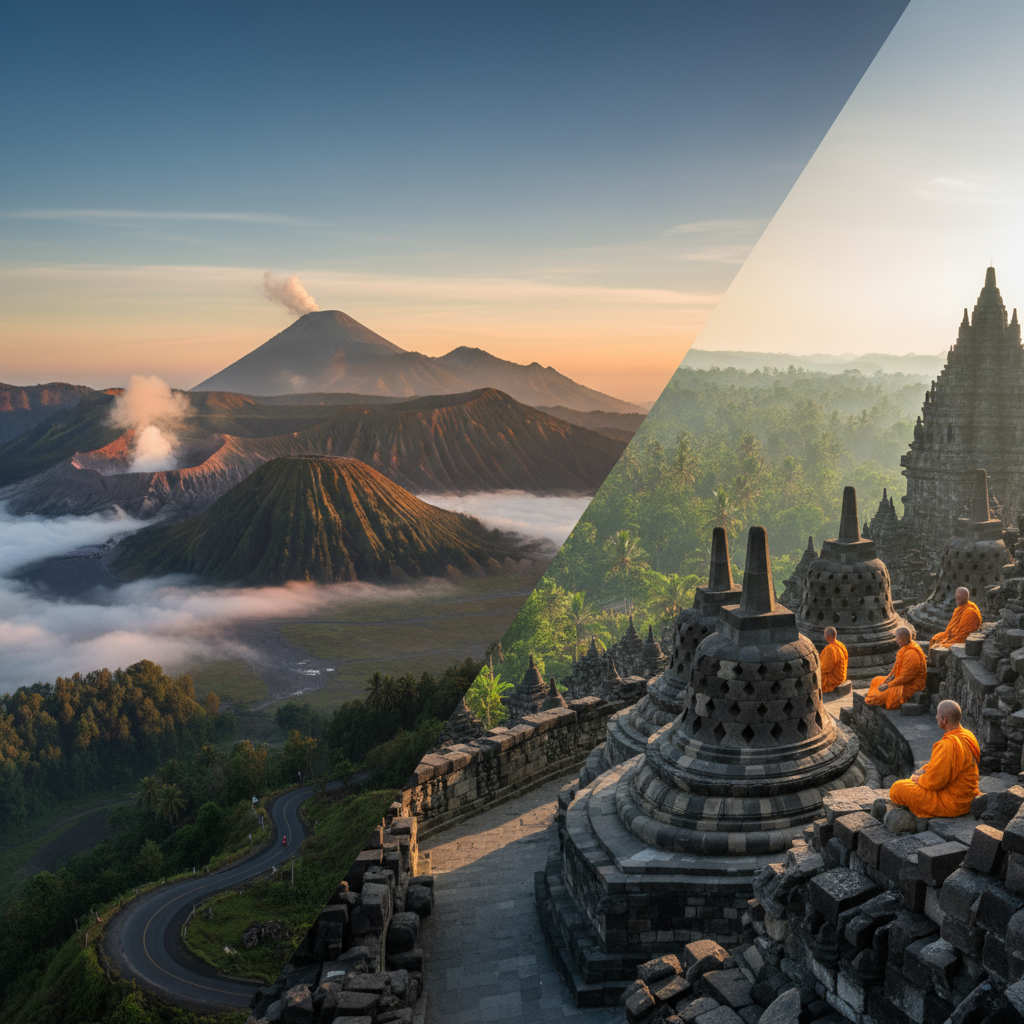
Java vs Bali: Choosing Your Perfect Indonesian Island Escape
Dreaming of Indonesia but torn between Java's cultural depth and Bali's vibrant beaches? This guide helps you decide which island paradise, with its unique charms and experiences, is your ideal holiday destination.
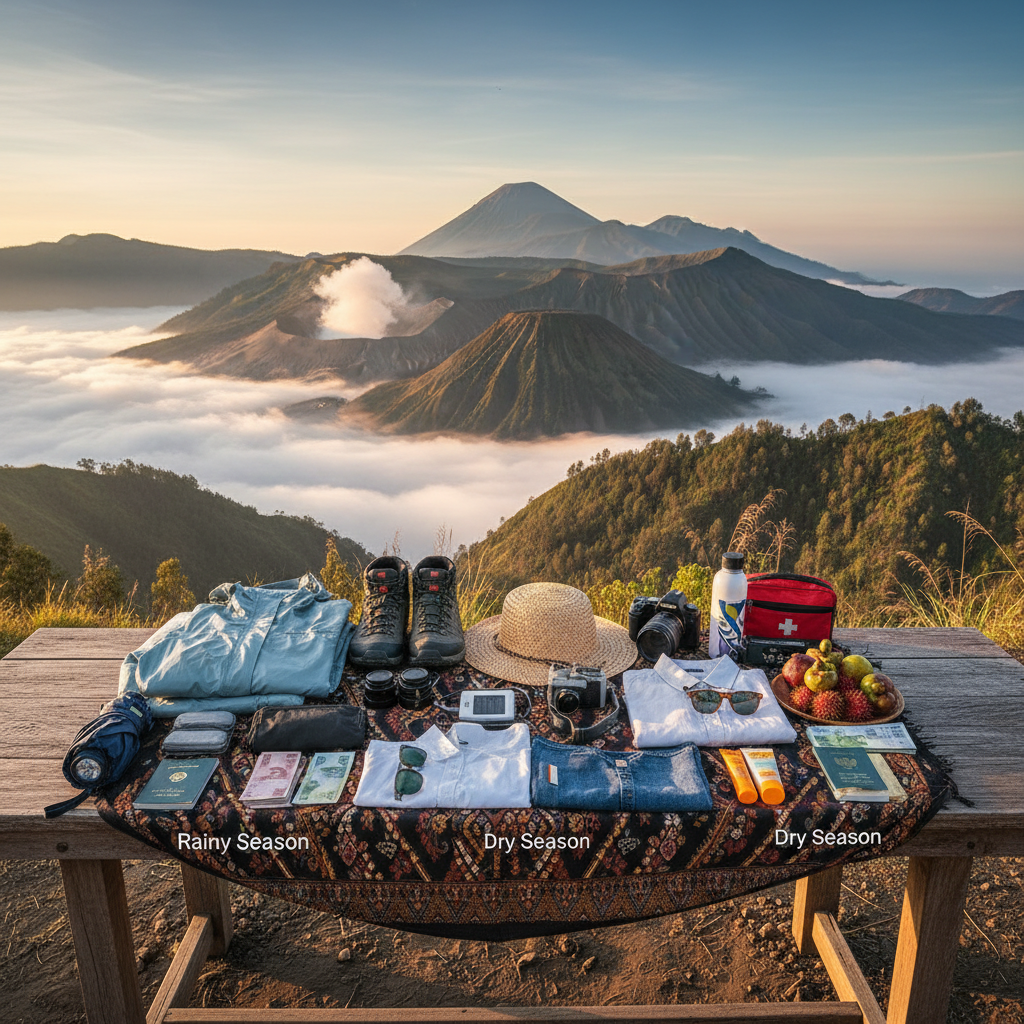
Indonesia Packing List: Your Essential Guide for Every Season
Planning an Indonesian adventure? Don't stress about packing! This comprehensive guide covers everything you need for tropical weather, cultural visits, and outdoor escapades, ensuring you're perfectly prepared for your dream trip with JavaRoutes.